1. Understanding Weekend Athlete Syndrome
Staying physically active is important for maintaining good health. Whether it is playing cricket with friends, going for a long cycling session, playing badminton, running or hitting the gym, exercise helps improve fitness and overall well-being. However, problems can arise when physical activity is limited to just one or two days a week.
This pattern is commonly known as Weekend Athlete Syndrome.
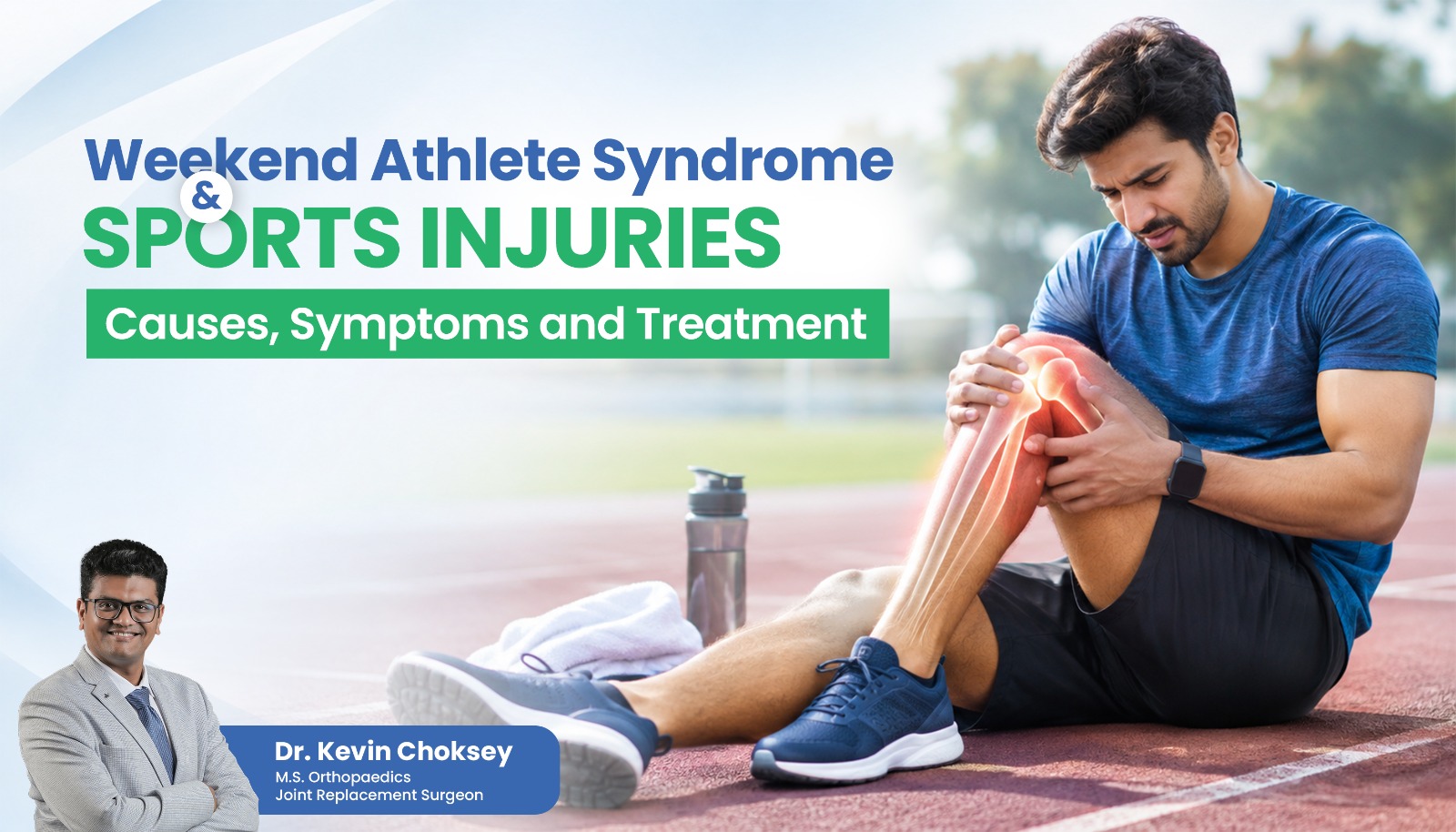
Weekend Athlete Syndrome refers to sports-related injuries and physical strain experienced by people who remain mostly inactive during the week but suddenly participate in intense physical activities over the weekend. Since the body is not regularly conditioned for such demanding movements, muscles, joints, tendons and ligaments may struggle to handle the sudden workload.
For example, someone who spends most of the week sitting at a desk may decide to play a two-hour cricket match on Sunday. Without proper preparation, stretching or regular exercise, the sudden physical demand can increase the risk of muscle strains, ligament injuries, knee pain and ankle sprains.
While weekend sports are a great way to stay active and enjoy time with friends, the body needs consistent conditioning to handle physical activity safely.
Weekend Athlete Syndrome is not a formal medical diagnosis. It is a commonly used term describing injuries associated with sudden or excessive physical activity after periods of inactivity.
Understanding the risks and recognising early warning signs can help prevent minor discomfort from becoming a serious sports injury.
2. Causes of Weekend Athlete Syndrome
The main reason behind weekend sports injuries is the mismatch between physical activity levels and the body’s ability to handle sudden exertion.
Several factors can increase the risk of developing sports-related injuries.
1. Sudden Increase in Physical Activity
One of the most common causes is performing intense exercises or playing sports without gradually increasing physical activity.
Running for several kilometres, playing a long cricket match or participating in competitive badminton without regular conditioning can put excessive stress on muscles and joints.
2. Lack of Regular Exercise
When someone remains inactive throughout the week, their muscles may not have enough strength and endurance to support demanding movements.
Weak muscles can also affect joint stability, increasing the possibility of injuries during sudden movements.
3. Skipping Warm-Up Exercises
Starting a game without warming up can increase the risk of muscle strains and other injuries.
Warm-up exercises gradually prepare the muscles, joints and cardiovascular system for physical activity.
4. Poor Flexibility and Muscle Strength
Tight muscles and limited joint flexibility can affect movement and coordination.
For example, tight hamstrings may increase discomfort during running, while weak thigh muscles may affect knee stability.
5. Improper Sports Techniques
Incorrect running posture, poor landing techniques, sudden twisting movements and improper lifting methods can place unnecessary pressure on different body parts.
6. Inadequate Recovery
Playing sports for extended periods without sufficient rest can lead to muscle fatigue.
When muscles become tired, coordination and balance may decrease, increasing the likelihood of accidental injuries.
7. Wearing Incorrect Sports Footwear
Using unsuitable shoes can affect foot support, grip and balance.
For example, wearing regular casual shoes while running or playing court sports may increase the risk of ankle sprains and foot-related problems.
3. Common Symptoms of Weekend Athlete Syndrome
Sports injuries can affect different parts of the body depending on the activity, intensity and type of movement involved.
Some symptoms appear immediately, while others may develop gradually over the next 24–48 hours.
Here are some common warning signs to watch for:
Muscle Pain and Stiffness
Muscle soreness after exercise is common, particularly after an unfamiliar activity. However, severe pain, persistent stiffness or discomfort that affects normal movement may indicate a muscle strain or other injury.
Knee Pain
Knee pain is frequently experienced by people participating in running, cricket, football and other sports involving sudden direction changes.
It may be associated with ligament injuries, meniscus damage, tendon irritation or excessive joint stress.
Ankle Pain and Swelling
Ankle sprains can occur when the foot suddenly twists or rolls during running, jumping or landing.
Common symptoms include:
- Pain around the ankle.
- Swelling and tenderness.
- Difficulty walking or putting weight on the foot.
- Reduced ankle movement.
Shoulder Pain
Sports such as badminton, tennis and swimming involve repeated shoulder movements.
Overuse or incorrect movement patterns can cause shoulder muscle strains, tendon irritation and rotator cuff injuries.
Back Pain
Sudden twisting, bending, lifting or improper exercise techniques can place stress on the muscles and structures of the back.
Some people experience lower back pain after playing sports or performing strenuous exercises.
Reduced Range of Motion
Difficulty bending the knee, lifting the arm, rotating the shoulder or moving a joint normally may indicate an underlying injury.
Important: Severe pain, significant swelling, visible deformity, joint instability or an inability to bear weight requires prompt medical evaluation. A sudden pop followed by swelling or loss of joint function should also be assessed by an orthopaedic specialist.
4. Common Sports Injuries Among Weekend Athletes
Weekend athletes may experience different types of sports injuries depending on their fitness levels and the activities they participate in.
Some of the most common injuries include:
1. Muscle Strains
A muscle strain occurs when muscle fibres are overstretched or torn.
It commonly affects the hamstrings, calves, thighs and lower back.
Muscle strains may happen during sprinting, jumping or sudden acceleration.
2. Ligament Injuries
Ligaments connect bones and provide stability to joints.
Sudden twisting, landing awkwardly or changing direction quickly can damage these structures.
One commonly affected ligament is the Anterior Cruciate Ligament (ACL), which helps stabilise the knee.
ACL injuries are particularly common in sports involving jumping, pivoting and sudden directional changes.
3. Meniscus Tears
The meniscus is a C-shaped cartilage structure inside the knee that helps absorb shock and distribute weight.
A sudden twisting movement while the foot is firmly planted can cause a meniscus tear.
Common symptoms include knee pain, swelling, stiffness, clicking sensations and difficulty bending the knee.
4. Ankle Sprains
An ankle sprain occurs when the ligaments supporting the ankle stretch or tear.
It often happens when someone lands awkwardly after jumping or suddenly changes direction while running.
5. Tendon Injuries
Tendons connect muscles to bones and help produce movement.
Repeated stress or sudden overloading can cause tendon irritation or injury.
Examples include Achilles tendinopathy and tennis elbow.
6. Rotator Cuff Injuries
The rotator cuff is a group of muscles and tendons responsible for shoulder movement and stability.
Repetitive overhead movements, sudden strain or excessive physical activity can cause irritation or tears.
Recognising these injuries early is important because delaying treatment may increase discomfort and affect everyday activities.
5. How to Prevent Weekend Athlete Syndrome and Sports Injuries
The good news is that many weekend sports injuries can be reduced through proper preparation, consistent exercise and sensible training habits.
You do not need to become a professional athlete to protect your body. A few simple changes can make physical activity safer and more enjoyable.
1. Exercise Regularly Throughout the Week
Avoid depending entirely on weekend workouts.
Try to include regular physical activities such as:
- Walking or jogging.
- Cycling.
- Swimming.
- Strength training.
- Flexibility exercises.
Start with manageable activities and gradually increase their intensity.
2. Never Skip Warm-Up Exercises
Spend around 5–10 minutes warming up before playing sports.
Include light jogging, brisk walking, dynamic stretching and movement-specific exercises.
A proper warm-up helps prepare your body for more demanding activities.
3. Build Muscle Strength
Strong muscles help support joints and improve movement control.
Include exercises that strengthen the legs, core, shoulders and back according to your fitness level.
4. Increase Exercise Intensity Gradually
Avoid suddenly participating in long matches or high-intensity workouts after several inactive days.
Increase exercise duration, frequency and intensity gradually to allow your body to adapt.
5. Wear Appropriate Sports Gear
Choose footwear that provides suitable support and grip for your activity.
Use protective equipment wherever required, especially during contact sports.
6. Give Your Body Enough Recovery Time
Rest is an important part of physical fitness.
Allow adequate recovery between demanding exercise sessions. Avoid playing through significant pain or ignoring persistent discomfort.
7. Stay Hydrated and Maintain Proper Nutrition
Drink sufficient water before, during and after exercise.
Maintain a balanced diet containing adequate protein, carbohydrates, vitamins and minerals to support muscle function and recovery.
8. Listen to Your Body
Do not ignore unusual pain, swelling or joint instability.
If discomfort continues or becomes worse, consult an orthopaedic specialist rather than continuing to exercise.
6. Treatment Options for Weekend Athlete Syndrome and Sports Injuries
The treatment for weekend athlete injuries depends on the affected body part, injury severity, underlying damage and the patient’s overall health.
Not every sports injury requires surgery. Many mild and moderate injuries improve with appropriate conservative treatment and rehabilitation.
1. Rest and Activity Modification
The first step is often to reduce or temporarily stop activities that aggravate the injury.
Avoid putting unnecessary pressure on the affected muscles or joints while they recover.
2. Ice Application
Applying an ice pack wrapped in a towel to the injured area for around 15–20 minutes at a time may help reduce pain and swelling.
Avoid placing ice directly on the skin.
3. Compression and Elevation
For certain acute injuries, compression with an appropriate bandage and elevation of the affected limb may help manage swelling.
Compression should not be excessively tight. Seek medical advice if swelling is severe or circulation appears affected.
4. Medication
Depending on the injury, a doctor may recommend pain-relieving or anti-inflammatory medication.
The choice of medication should consider the patient’s medical history, existing conditions and possible side effects. Avoid self-medicating for persistent sports injuries.
5. Physiotherapy and Rehabilitation
Physiotherapy plays an important role in sports injury recovery.
A personalised rehabilitation programme may include:
- Muscle-strengthening exercises.
- Flexibility and stretching exercises.
- Balance and coordination training.
- Joint mobility exercises.
- Gradual return-to-sport training.
The goal is not simply to reduce pain but also to restore strength, movement and stability.
6. Arthroscopic Surgery
Certain injuries involving the knee and shoulder may require arthroscopic surgery.
This is a minimally invasive procedure in which a small camera and specialised instruments are used to examine and treat problems inside a joint.
Depending on the diagnosis, arthroscopy may be considered for conditions such as meniscus tears, selected ligament injuries and certain shoulder conditions.
7. Ligament Reconstruction
Severe ligament injuries, particularly certain ACL tears, may require surgical reconstruction.
The decision depends on factors such as joint instability, activity level, associated injuries and the patient’s individual needs.
8. Structured Return-to-Sport Programme
Returning to sports too early can increase the risk of reinjury.
Before resuming full physical activity, patients may need to regain adequate muscle strength, joint movement, balance and functional stability.
A doctor and physiotherapist can guide the return-to-sport process based on recovery progress.
People also want to know about Winter Exercise Guide for Seniors information:
Winter Exercise Guide for Seniors: How to Keep Your Knees Healthy and Active
Why Choose Dr. Kevin Choksey for Orthopaedic Care?
Sports injuries, knee pain and joint-related problems require proper medical evaluation to identify the underlying cause and determine the most suitable treatment.
Dr. Kevin Choksey is an experienced and best orthopaedic surgeon in Surat specialising in knee and hip conditions, including Microplasty (partial knee replacement), total knee replacement, fast-track knee replacement and robotic knee replacement procedures.
With over 11 years of experience highlighted on his website, he focuses on combining surgical precision with personalised patient care.
Here are some reasons to consider his orthopaedic expertise:
Specialised Orthopaedic Experience: His experience in knee and hip conditions supports the evaluation and management of joint-related problems.
Personalised Treatment Approach: Every patient has different symptoms, activity levels and recovery needs. Understanding these factors is important when deciding on an appropriate treatment plan.
Advanced Surgical Techniques: His expertise includes minimally invasive approaches and robotic-assisted knee replacement procedures for patients who require joint replacement.
Focus on Recovery and Mobility: Treatment aims to help patients improve their mobility, regain independence and return to their everyday activities according to their individual condition.
Patient-Centred Care: Clear communication, proper guidance and individual attention are important parts of the treatment journey.
If you are experiencing persistent knee pain, joint discomfort or mobility problems after playing sports, seeking an orthopaedic consultation can help you understand the cause and available treatment options.
Conclusion
Weekend Athlete Syndrome is a reminder that physical fitness requires consistency, not just occasional intense workouts.
Suddenly participating in demanding sports after spending most of the week inactive can put unnecessary stress on muscles, ligaments, tendons and joints.
From muscle strains and ankle sprains to ACL injuries and meniscus tears, sports-related injuries can affect your mobility and interfere with everyday activities.
The best approach is to stay physically active throughout the week, warm up properly, strengthen your muscles and allow enough time for recovery.
Most importantly, never ignore persistent pain or unusual joint symptoms. Early medical evaluation and appropriate treatment can help prevent further complications and support a safer return to physical activity.
Stay Active. Stay Strong. Protect Your Joints.
If sports injuries, knee pain or joint discomfort are affecting your active lifestyle, consult an experienced orthopaedic specialist. Visit Dr. Kevin Choksey’s clinic in Surat for personalised orthopaedic evaluation and guidance on suitable treatment options.
Take the first step towards better mobility and a healthier, more active life with expert orthopaedic care.