
Introduction
Knee pain can slowly change the way you live. Activities that once felt simple, such as walking to the market, climbing stairs, getting up from a chair, or spending time with your grandchildren, may become uncomfortable. For many adults over 50, this pain is linked to knee osteoarthritis, a condition in which the protective cartilage inside the joint gradually wears away.
When medicines, physiotherapy, lifestyle changes, and other treatments no longer provide enough relief, knee replacement surgery may be an option. Advances in medical technology have also introduced robotic-assisted knee replacement, which helps surgeons plan and perform the procedure using detailed information about the patient’s knee.
If you are considering robotic knee replacement after 50, you probably have several questions. Is robotic surgery safe? Does it offer better results than traditional knee replacement? How long does recovery take? And how can you prepare for the procedure?
Understanding your options can help you make an informed decision with your family and orthopedic surgeon. This guide explains what patients over 50 should know before undergoing robotic-assisted knee replacement surgery.
What Is Robotic Knee Replacement Surgery?
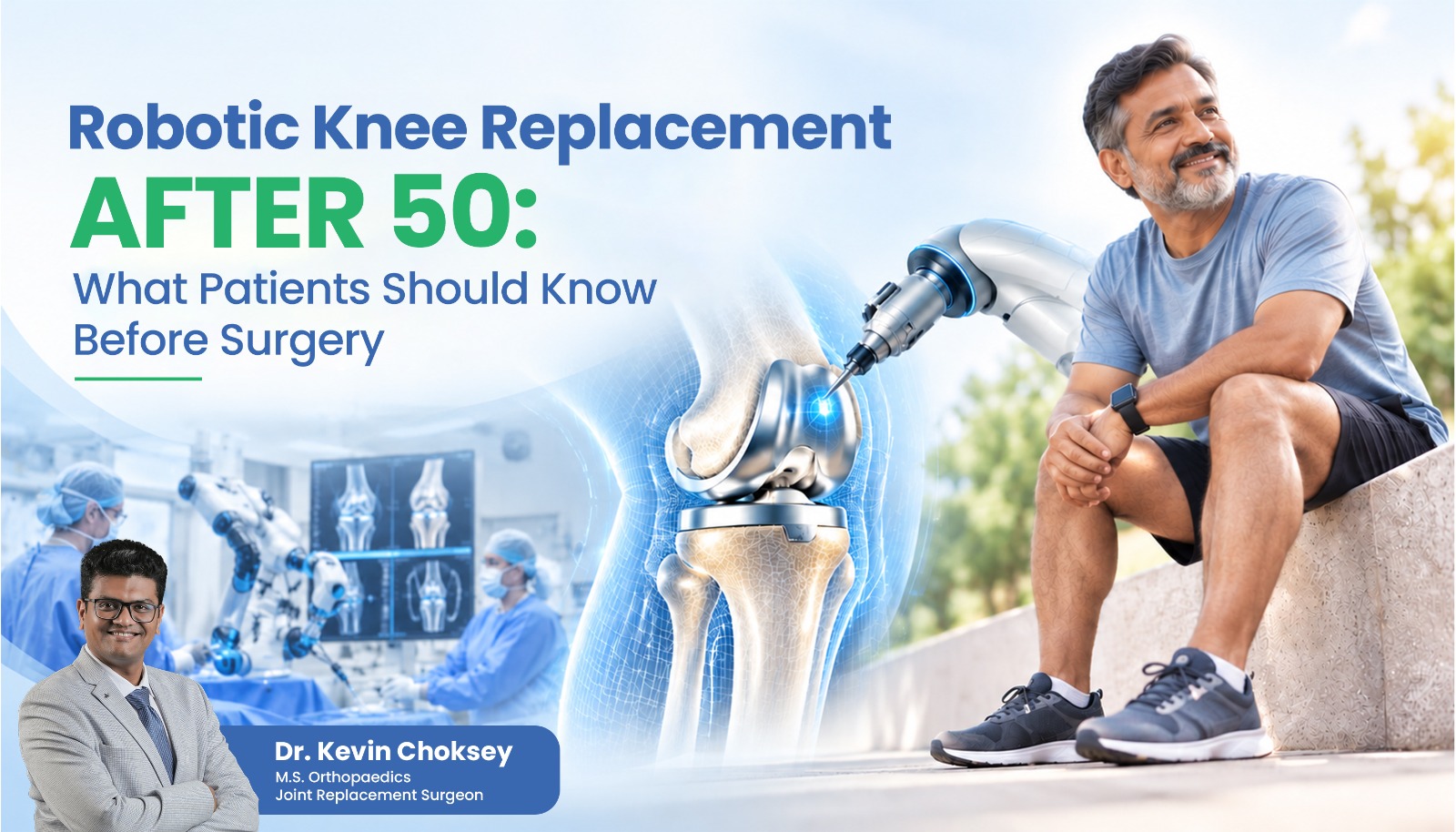
Robotic knee replacement is an advanced form of knee replacement surgery in which an orthopedic surgeon uses a robotic-assisted system to support surgical planning and guide certain steps of the procedure.
The surgeon uses imaging, anatomical measurements, and information collected during surgery to develop a personalized plan. Depending on the system used, the technology can help the surgeon assess the knee’s structure, plan implant positioning, and make precise bone cuts.
It is important to understand that best robotic knee replacement is still performed by a trained orthopedic surgeon. The robot does not independently perform the operation or make decisions without the surgeon’s control.
The main aim is to help the surgeon achieve an appropriate implant position and alignment based on the patient’s anatomy and surgical goals.
How Is Robotic Knee Replacement Different From Traditional Surgery?
Both robotic-assisted and traditional knee replacement aim to reduce pain, improve joint function, and help patients return to daily activities.
The key difference is the technology used to plan and guide the procedure.
- Traditional knee replacement: The surgeon generally uses established surgical instruments, anatomical landmarks, and mechanical guides to position the implant.
- Robotic-assisted knee replacement: The surgeon uses a computer-based plan and robotic technology to assist with selected surgical steps.
- Personalized planning: Some robotic systems allow the surgeon to assess the knee’s anatomy and soft-tissue balance during the procedure.
- Surgeon-led treatment: In both approaches, the surgeon’s experience, clinical judgment, and surgical technique remain essential.
People you also may know about robotic vs traditional knee replacement: Comparison of Robotic vs. Traditional Knee Replacement: Key Differences, Accuracy & Outcomes
Is Robotic Knee Replacement Suitable for People Over 50?
-
- Yes, many people over 50 may be suitable candidates for robotic-assisted knee replacement. However, age alone does not determine whether you need surgery or which surgical technique is right for you.
- The decision depends on your symptoms, joint damage, overall health, mobility, activity level, and expectations.
Common Signs That You May Need Knee Replacement
- You may benefit from an orthopedic evaluation if you experience:
- Persistent knee pain that interferes with walking or everyday activities.
- Pain while climbing stairs, standing, or getting up from a chair.
- Knee stiffness, especially after resting or waking up in the morning.
- Swelling or reduced movement in the affected joint.
- A feeling that the knee is unstable or difficult to trust.
- Night-time pain that affects sleep.
Limited relief from medicines, physiotherapy, injections, or other appropriate treatments.
These symptoms do not automatically mean you need knee replacement. An orthopedic specialist can assess your condition and determine whether non-surgical care or surgery is more appropriate.
Who May Be a Suitable Candidate?
Robotic knee replacement may be considered for people who have:
- Advanced knee osteoarthritis.
- Significant joint damage confirmed through clinical examination and imaging.
- Persistent pain despite appropriate non-surgical treatment.
- Difficulty performing normal daily activities because of knee problems.
- A medical condition for which knee replacement offers a reasonable potential benefit.
People in their 50s may still have many active years ahead of them. For this reason, discussions about implant durability, future activity levels, and long-term joint health are particularly important.
Patients in their 60s, 70s, or older may also be suitable if their overall health and individual circumstances support surgery.
Benefits of Robotic Knee Replacement After 50
For patients who need knee replacement, robotic-assisted surgery may offer several potential benefits. The actual results depend on the patient’s condition, the technology used, the surgeon’s approach, and rehabilitation.
1. Personalized Surgical Planning
Every knee has a unique shape, alignment, and pattern of joint damage. Robotic-assisted systems can help the surgeon develop a plan based on the patient’s individual anatomy rather than relying only on standard measurements.
This information can support decisions about implant positioning and alignment.
2. Greater Control During Selected Surgical Steps
Depending on the system, robotic assistance may help the surgeon perform planned bone cuts within defined boundaries and assess the joint during surgery.
This can support surgical precision, although the degree of assistance varies between robotic platforms.
3. Support for Knee Alignment and Balance
Proper implant positioning and soft-tissue balance are important factors in knee replacement. Some robotic systems provide measurements that help surgeons assess these factors during the procedure.
However, a well-aligned implant does not automatically guarantee complete pain relief or normal knee movement.
4. Potential Improvements in Early Recovery
Some patients may experience a smoother early recovery following robotic-assisted knee replacement. Research has reported improvements in certain measures of surgical accuracy and early functional recovery in some settings.
However, evidence does not establish that robotic surgery consistently provides better long-term pain relief, function, or implant survival for every patient compared with conventional surgery.
5. A More Informed Treatment Experience
Robotic systems can provide detailed information about the knee before and during surgery. Your surgeon can use these measurements to explain aspects of your treatment plan and help you understand the procedure.
The goal is to select the surgical approach that best fits your needs, not simply to use the newest technology.
What Are the Risks of Robotic Knee Replacement?
Like any major operation, robotic-assisted knee replacement carries risks. Robotic technology may help with selected aspects of surgical planning and execution, but it does not remove the risks associated with joint replacement.
Possible complications include:
- Infection around the surgical wound or implant.
- Blood clots in the legs or lungs.
- Bleeding or wound-healing problems.
- Stiffness or reduced range of motion.
- Persistent pain or swelling.
- Nerve or blood vessel injury.
- Implant loosening, wear, or other problems that may require further surgery.
- Risks related to anesthesia or existing medical conditions.
Some robotic systems also require additional preparation, such as attaching tracking markers or using imaging before surgery. The specific requirements and associated risks vary by system.
Your surgeon will explain the relevant risks based on your health and the planned procedure. They may also recommend measures such as blood clot prevention, infection-control protocols, and early supervised movement to reduce complications.
How to Prepare for Robotic Knee Replacement Surgery
Preparation can make the surgical process more manageable and help you approach recovery with confidence. Start planning with your orthopedic team well before your scheduled operation.
1. Complete Your Medical Evaluation
Your doctor may recommend blood tests, imaging, a physical examination, and an assessment of your heart, lungs, and other health conditions.
Tell your medical team about any chronic illnesses, previous surgeries, allergies, and medicines or supplements you take.
Conditions such as diabetes, high blood pressure, and heart disease may need careful management before surgery.
2. Build Strength Before Surgery
If your doctor approves, gentle exercises and physiotherapy may help strengthen the muscles around your knee and improve your general fitness.
Your physiotherapist can suggest suitable movements based on your pain and mobility. Avoid exercises that significantly increase discomfort.
3. Review Your Medicines
Ask your surgeon which medicines you should continue, adjust, or temporarily stop. This is particularly important for blood thinners and certain diabetes medicines.
Do not stop prescribed medication without medical advice.
4. Prepare Your Home
A few practical changes can make the first weeks after surgery easier.
- Remove loose rugs, clutter, and other tripping hazards.
- Arrange a comfortable chair with good support.
- Keep frequently used items within easy reach.
- Install grab bars or other bathroom supports if needed.
- Arrange help with meals, shopping, and household tasks.
- Make sure you have a safe route through your home for a walker, if one is recommended.
5. Discuss Your Recovery Plan
Before surgery, ask your doctor how soon you are likely to stand and walk, what support you will need, and when physiotherapy will begin.
Knowing what to expect can help reduce anxiety and prepare your family to support you during recovery.
What Happens During Robotic Knee Replacement?
Knowing what happens on the day of surgery can help you feel more prepared and less anxious.
Although the exact steps depend on the robotic system and your surgeon’s plan, the process generally includes the following stages.
Before the Procedure
Your surgical team reviews your medical history, examination findings, and imaging. If your chosen robotic system requires additional scans or planning, these are completed according to its protocol.
The anesthesia team discusses the safest approach for your circumstances. The procedure is performed in an appropriately equipped operating theatre under the planned anesthesia.
During Surgery
The surgeon prepares the damaged joint surfaces and positions the artificial components. Robotic assistance provides information or guidance during selected stages of the operation.
The damaged joint surfaces are replaced with artificial components designed to restore joint function. The surgeon checks the knee’s movement, alignment, and stability before completing the procedure.
Immediately After Surgery
You are monitored in the recovery area before moving to your hospital room or designated recovery unit. Your care team manages pain, monitors your condition, and helps you begin moving when it is safe.
Many patients start standing or walking with assistance on the day of surgery or the following day, depending on their medical condition and the hospital’s protocol.
Recovery After Robotic Knee Replacement: What to Expect
Recovery is an important part of knee replacement treatment. Robotic technology may assist the surgical process, but rehabilitation, pain management, and following medical advice remain essential.
The First Few Days
You may experience pain, swelling, bruising, and stiffness around the operated knee. These symptoms are common during early recovery and generally improve gradually.
Your care team may recommend:
- Walking with a walker or other support.
- Performing prescribed ankle movements and leg exercises.
- Using ice or other recommended methods to control swelling.
- Taking prescribed pain relief and following blood clot prevention instructions.
- Keeping the wound clean and following dressing-care advice.
The First Six Weeks
During this period, physiotherapy helps improve knee movement, muscle strength, balance, and walking ability.
Your progress will depend on your health, the condition of your muscles, pain levels, and consistency with rehabilitation. Some people progress quickly, while others need more time.
Do not compare your recovery with another patient’s experience. Follow your own surgeon’s instructions about walking, driving, bathing, and returning to normal activities.
Three Months and Beyond
Many patients experience substantial improvement in pain and mobility over the first few months. However, complete recovery can take several months, and strength, confidence, and flexibility may continue improving for six months to a year or longer.
Contact your medical team promptly if you develop a fever, increasing wound redness or discharge, worsening pain, or sudden swelling. Chest pain, sudden breathlessness, or severe calf symptoms require urgent medical assessment.
How Much Does Robotic Knee Replacement Cost?
The cost of robotic knee replacement surgery varies by hospital, surgeon, implant selection, robotic technology, length of stay, and the patient’s medical needs.
In India, the total cost may include:
- Surgeon and anesthesia fees.
- Hospital room and operating theatre charges.
- Robotic technology or procedure-related fees.
- Implant costs.
- Diagnostic tests and medical assessments.
- Medicines and hospital care.
- Physiotherapy and follow-up visits.
Before scheduling surgery, request an itemized estimate from the hospital. Ask whether the quotation includes rehabilitation, medications, and any additional charges if your hospital stay is extended.
If you have health insurance, confirm whether robotic-assisted knee replacement is covered under your policy and whether any limits, exclusions, or co-payments apply.
Rather than choosing a procedure based on price alone, consider the surgeon’s experience, hospital facilities, infection-prevention standards, rehabilitation support, and the quality of follow-up care.
Questions to Ask Your Orthopedic Surgeon Before Surgery
A consultation is an opportunity to understand your options and decide whether the proposed treatment meets your needs.
Consider asking these questions:
- Do I need knee replacement now, or can I continue with non-surgical treatment?
- Am I a suitable candidate for robotic-assisted surgery?
- Which robotic system will be used, and why is it appropriate for my condition?
- What benefits and limitations should I expect compared with conventional knee replacement?
- How much experience do you have with this procedure?
- What complications should I understand before giving consent?
- How long might I need help at home?
- When can I expect to resume walking, driving, and everyday activities?
- What will the procedure cost, and what does the estimate include?
A good treatment discussion should help you understand both the potential benefits and the limitations of surgery. You should feel comfortable asking questions and discussing any concerns before making a decision.
Choosing the Right Surgeon for Robotic Knee Replacement
The technology used in knee replacement is important, but the person performing the operation matters just as much. Look for an orthopedic surgeon with relevant knee replacement experience, appropriate training in the robotic system being used, and a clear rehabilitation plan.
It is also worth considering whether the hospital has the necessary operating theatre facilities, anesthesia support, infection-control procedures, and postoperative physiotherapy services.
For patients over 50, treatment planning should consider more than the immediate operation. Your surgeon should discuss your activity goals, existing medical conditions, expectations, and the long-term care of your artificial knee.
If you are considering robotic knee replacement with Dr. Kevin Choksey, arrange a consultation to discuss your symptoms, available treatment options, surgical suitability, and expected recovery. Ask about his experience, the facilities available for your procedure, and the support provided before and after surgery so you can make an informed choice.
Final Thoughts: Take the Next Step Towards Better Knee Health
Living with persistent knee pain after 50 can affect your independence, confidence, sleep, and quality of life. You do not have to ignore these difficulties or assume that pain is simply an unavoidable part of ageing.
Robotic-assisted knee replacement may be a suitable option when severe joint damage and persistent symptoms make surgery appropriate. Its potential benefits include detailed surgical planning and assistance with selected aspects of implant positioning. However, the right treatment depends on your individual condition, and successful recovery requires a combination of appropriate surgery, rehabilitation, and ongoing care.
Take time to understand your options, ask questions, and choose a treatment team that prioritizes your safety, comfort, and long-term mobility.
Book a Consultation with Dr. Kevin Choksey
If knee pain is limiting your daily activities, consider consulting Dr. Kevin Choksey for knee replacement evaluation. Discuss whether robotic-assisted knee replacement is appropriate for you, what results you can realistically expect, and how a personalized treatment and rehabilitation plan could help you work towards greater mobility.
Your journey towards more comfortable movement starts with the right medical advice. Contact Dr. Kevin Choksey’s clinic to schedule a consultation and take an informed next step towards better knee health.
[…] People also want to know about robotic knee replacement after 50: Robotic Knee Replacement After 50: What Patients Should Know Before Surgery? […]